
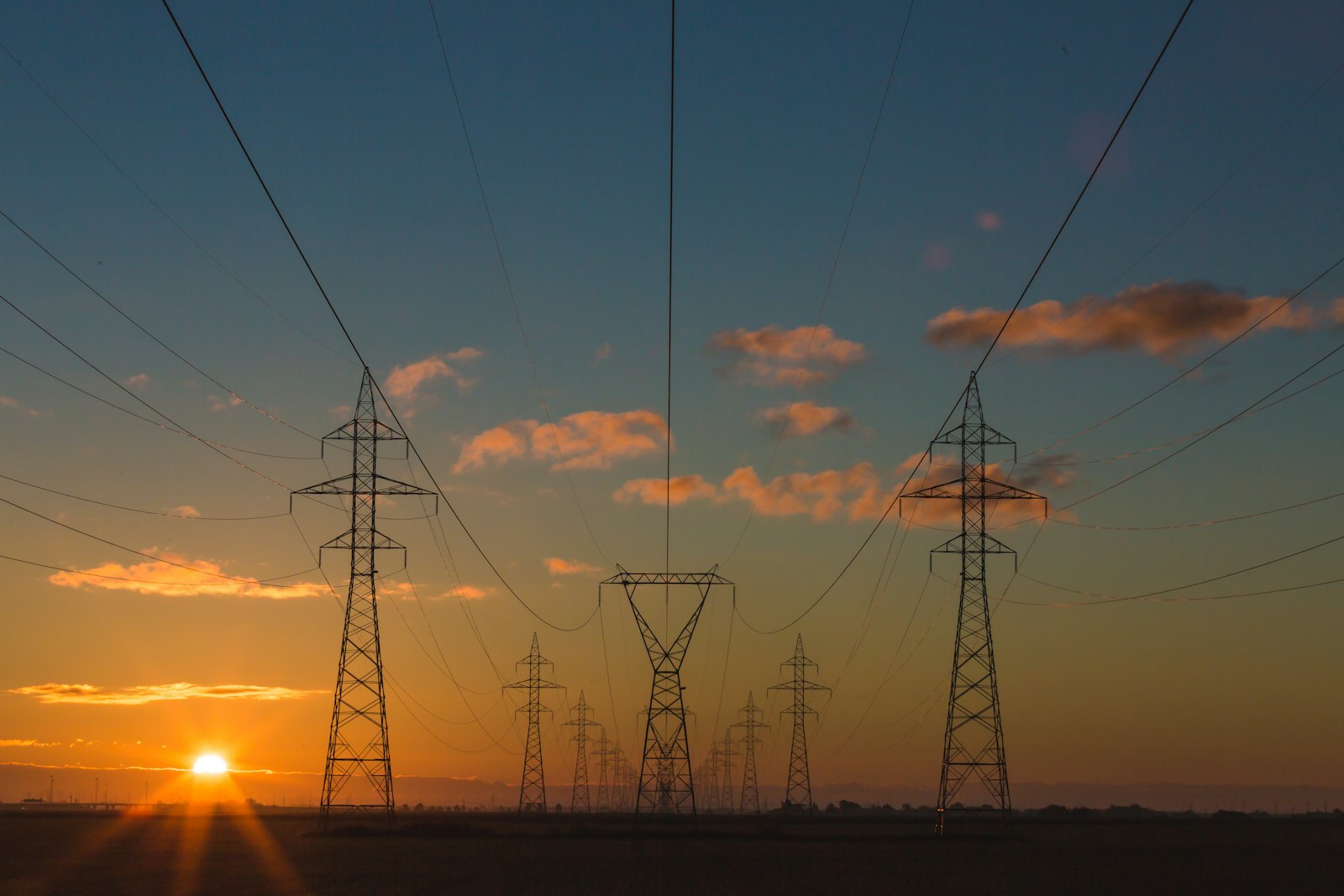
The US's best wind resources are in the Great Plains, Texas, and the Pacific Northwest. The US's highest electricity demand centers are on the coasts and in the Southeast. Transmission is what connects them — and its inadequacy has become the defining constraint on wind development.
The curtailment problem
Wind curtailment — generation reduced below maximum due to grid congestion — costs the industry several billion dollars annually. In the Texas Panhandle, curtailment rates regularly exceed 10%. In certain congested zones of MISO, SPP, and CAISO, curtailment can exceed 20% in high-wind hours.
Curtailment lowers project revenues and makes project financing harder. A 10% curtailment assumption in underwriting is now common; 5 years ago it was 2–3%.
The FERC Order 1920 response
FERC Order 1920, finalized in 2024, requires regional transmission planners to do long-term, multi-value transmission planning — 20+ year horizons, considering multiple scenarios, and allocating costs across benefited parties. The intent is to break the chronic under-investment in transmission that has characterized the last two decades.
Implementation will take years. Transmission projects have 7–12 year development cycles from siting through energization. But Order 1920 is the structural policy response to the congestion problem.
Merchant transmission and contracted lines
An alternative to ratepayer-funded transmission: merchant transmission lines developed by private parties (often wind developers or industry consortiums) that are directly contracted by generators. Grain Belt Express, SunZia, and TransWest Express are prominent examples.
Merchant transmission has been politically contentious — multiple projects have been delayed or killed by state-level opposition (Missouri PSC rulings on Grain Belt Express are the famous case). But where successful, it unlocks significant wind generation.
Implications for project selection
The practical implication for developers: transmission capacity assessment is as important as wind resource assessment. A great wind site in a curtailment-heavy zone delivers less revenue than a good site in an export-constrained zone.
Our underwriting now includes curtailment scenarios based on ISO transmission planning documents, and we weight site selection toward zones with committed transmission build-out in the next 5–10 years.
The Axis view
Wind development is increasingly a transmission-aware discipline. Developers who treat transmission as a "someone else's problem" underwrite projects that don't perform. The best wind developers today are transmission-literate and often participate directly in regional transmission planning processes.
Looking at a Wind project?
We connect developers with financing, technology partners, and EPCs worldwide.
Start a conversation