
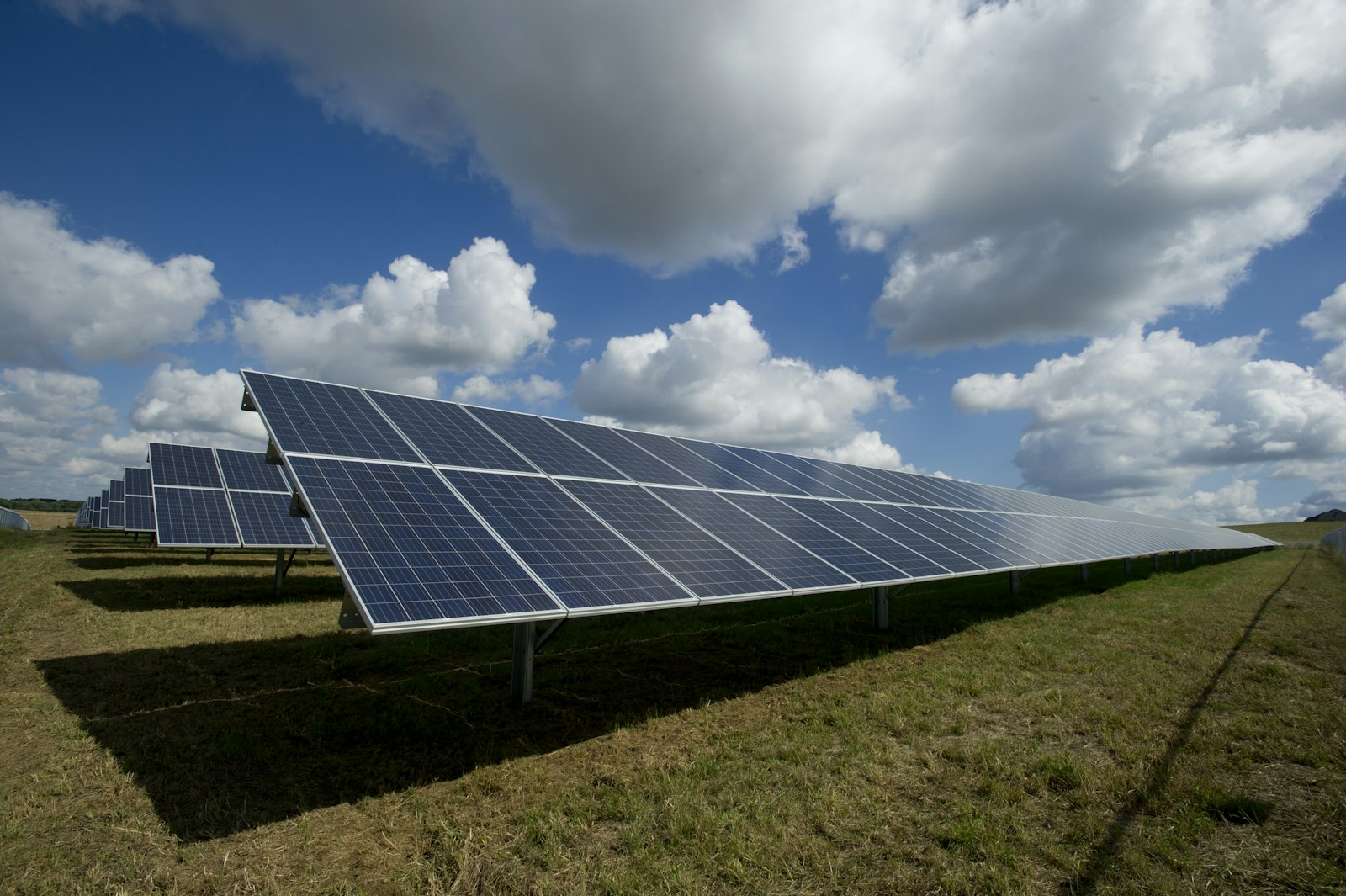
Pairing batteries with solar used to be an expensive hedge against curtailment. In most ISO markets today, it's the difference between a project that clears and a project that doesn't. The economics have shifted faster than most developers have updated their underwriting models.
Why co-location changed the math
Three forces are converging: battery costs have dropped roughly 75% since 2020, the IRA extended the ITC to standalone storage, and grid operators are increasingly valuing dispatchable capacity over raw energy. The net result is that a solar-plus-storage project in California or Texas often has a higher net present value than solar alone, even accounting for the incremental capex.
The four duration sweet spots
Battery duration matters more than battery capacity in ratepayer economics:
- 1-hour: Pure frequency regulation plays. High revenue per MWh but market depth is limited — a few hundred MW of 1-hour saturates most ISOs.
- 2-hour: Peak shaving and ramp coverage. Best for CAISO, ISO-NE, and NYISO markets.
- 4-hour: The sweet spot for ITC-qualifying resource adequacy. Contracts are longer, bankable, but per-MWh revenue is lower.
- 8-hour+: Long-duration storage, mostly served by flow batteries and emerging technologies today. Premiums for this duration are rising but execution risk is real.
DC-coupled vs AC-coupled
DC-coupled systems share a single inverter between PV and batteries. They're more efficient (round-trip losses avoided), eligible for a single ITC claim on the combined system, and work best for new-build projects. AC-coupled systems let the battery operate independently of the solar array — useful for retrofits and for projects that want market arbitrage flexibility.
For new utility-scale projects, DC-coupling has become the default. For retrofit opportunities on 5+ year-old arrays, AC-coupling is almost always the answer.
Degradation and warranty
Batteries degrade, and warranty structures vary widely. A system that delivers 80% of nameplate capacity at year 10 has very different economics than one that delivers 65%. Under-specifying the warranty is one of the most common mistakes we see. A cycle-based warranty with a 70% end-of-life threshold is often worth the premium over a calendar-based warranty with a 60% threshold.
Revenue stacking
A well-structured solar-plus-storage project stacks revenue from at least three sources: energy arbitrage, capacity payments, and ancillary services (frequency regulation, voltage support, spinning reserves). Each ISO has different market rules, so what works in ERCOT doesn't directly translate to CAISO. Modeling revenue stacks in the offtake diligence phase — not after commissioning — is what separates adequate projects from strong ones.
The Axis view
Storage isn't a feature anymore; it's a discipline. Developers who are still underwriting solar-only projects in markets where storage co-location clears are leaving NPV on the table. The best practice we've adopted: always model the project both ways and compare.
Looking at a Solar project?
We connect developers with financing, technology partners, and EPCs worldwide.
Start a conversation