
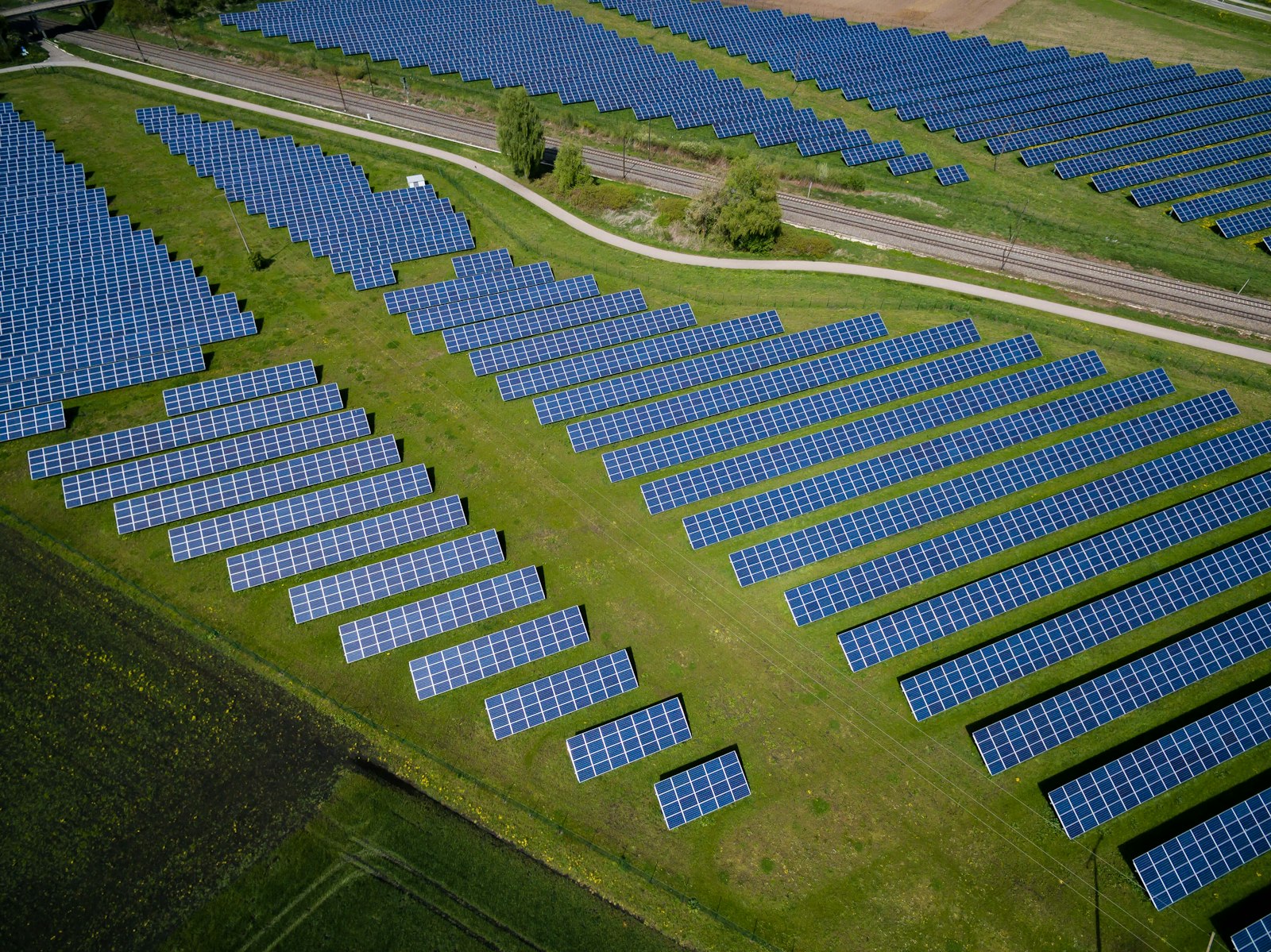
Community solar is a specific regulatory construct, not just any solar project with multiple buyers. About 20 states have enabling legislation — and each state's rules differ in ways that matter for project economics: subscriber size caps, LMI carve-outs, bill-credit mechanics, and system-size limits.
The state-by-state patchwork
The market leaders are New York, Minnesota, Massachusetts, Colorado, Illinois, Maine, and New Jersey. Each has its own quirks. New York's Value of Distributed Energy Resources (VDER) tariff replaced traditional net metering with a location-dependent credit structure that rewards projects in certain utility territories. Minnesota's community solar garden program caps projects at 1 MW. Massachusetts's SMART tariff scales incentives with system size, LMI participation, and co-located storage.
The implication: community solar portfolios need to be underwritten state-by-state, not as a single generic product.
Subscriber acquisition: the hidden cost
Projects often fail to hit pro forma returns not because the solar assets underperform but because subscriber acquisition and attrition costs came in higher than modeled. Commercial subscribers (hospitals, municipalities, anchor tenants) deliver better unit economics but take 6–18 months to sign. Residential subscribers sign faster but churn at 8–15% annually in most markets.
Many developers now partner with subscriber management platforms that handle customer acquisition, billing, and churn in exchange for 15–25% of the bill-credit spread. This trade is often worth it for developers who don't have in-house customer operations.
Low- and moderate-income (LMI) carve-outs
Most community solar programs reserve a percentage of subscriptions for LMI customers. The incentive structures compensate developers for the higher acquisition cost, but LMI compliance reporting is administratively heavy. Program-specific nonprofit partners (Solstice, Grid Alternatives, others) can be efficient channels to the LMI segment.
Financing community solar
Community solar has a specialized debt market. The credit question is not "will the solar generate electricity" — that's easy — but "will subscribers pay reliably over 20 years." Lenders want to see diversified subscriber mixes, investment-grade anchor subscribers, and robust subscription-management contracts.
A typical capital stack: 50–60% senior debt, 25–30% tax equity (or ITC transfer), 10–20% sponsor equity. Debt tenors are shorter than utility-scale PPAs (10–15 years vs 20+).
The Axis view
Community solar rewards developers who think like subscription businesses. Solar engineering is the commodity layer; subscriber acquisition, regulatory compliance, and retention are the differentiators. Developers succeeding in this segment typically run it as a dedicated business unit with its own staffing and systems, not as a side channel of their utility-scale pipeline.
Looking at a Solar project?
We connect developers with financing, technology partners, and EPCs worldwide.
Start a conversation